REVIEW
Polestar 4 SUV
A more practical Polestar 4 with an actual rear window, up to 630 km of range and as much as 544 hp
2027 · rwd · 272 hp · 343 Nm

REVIEW
A more practical Polestar 4 with an actual rear window, up to 630 km of range and as much as 544 hp
2027 · rwd · 272 hp · 343 Nm
REVIEW
A more practical Polestar 4 with an actual rear window, up to 630 km of range and as much as 544 hp
2027 · rwd · 272 hp · 343 Nm
IN THIS REVIEW EXTERIOR INTERIOR DRIVING PERFORMANCE PRACTICALITY PRICE FINAL VERDICT VIDEO GALLERY
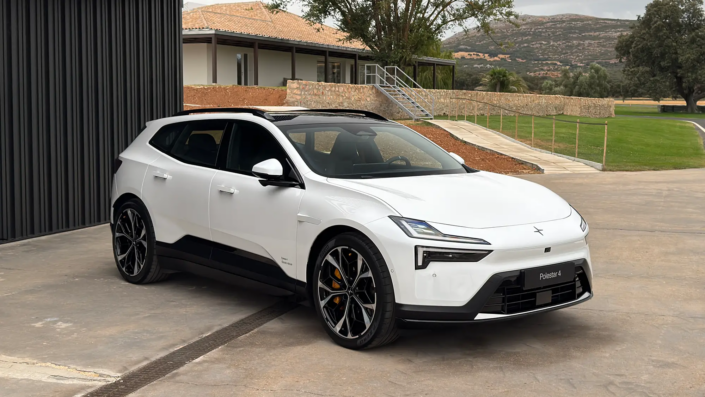
The Polestar 4 SUV takes the basic recipe of the Polestar 4 and makes it considerably more useful without really turning it into a traditional SUV. It keeps the same length, wheelbase and ground clearance, but adds a proper rear window, a more upright tailgate, more luggage space and a huge panoramic roof. Underneath, it remains very much a Polestar 4, with the same 100 kWh battery, up to 544 hp and a chassis that is still genuinely enjoyable to drive.
POWER
TORQUE
0-100 KM/H
TOP SPEED
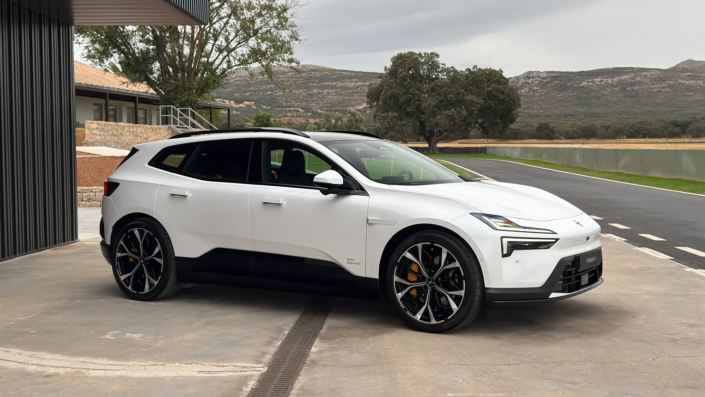
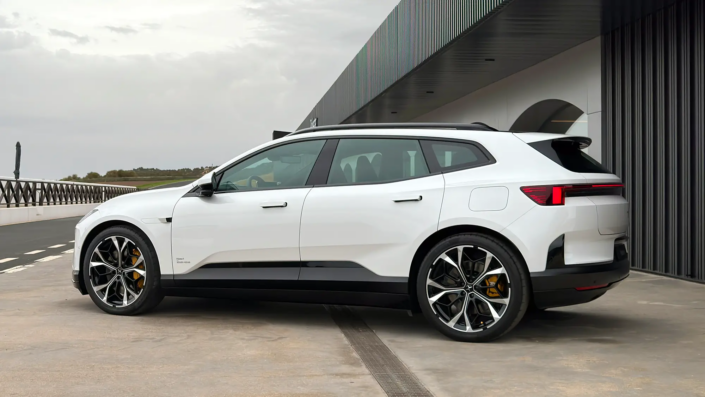
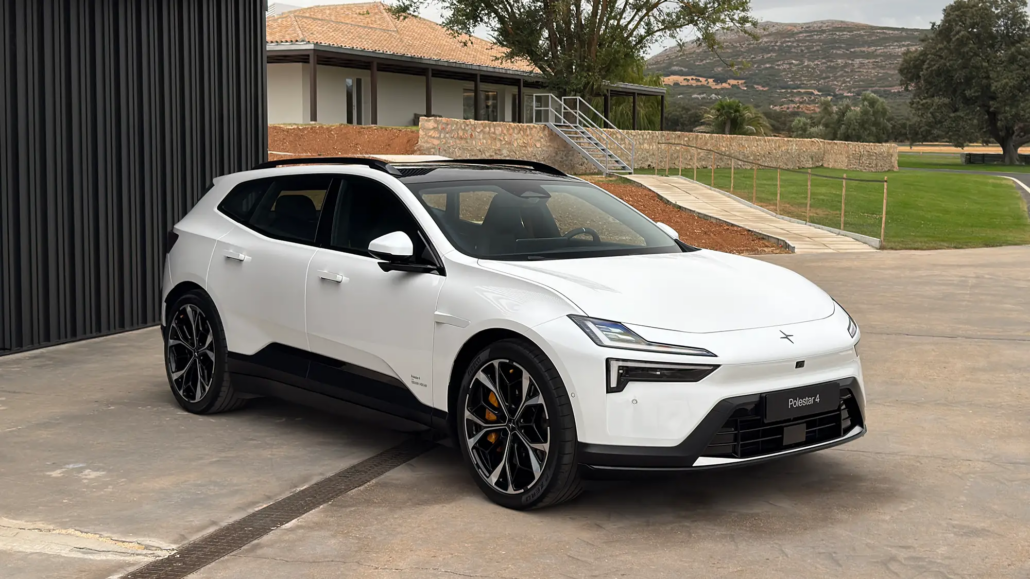
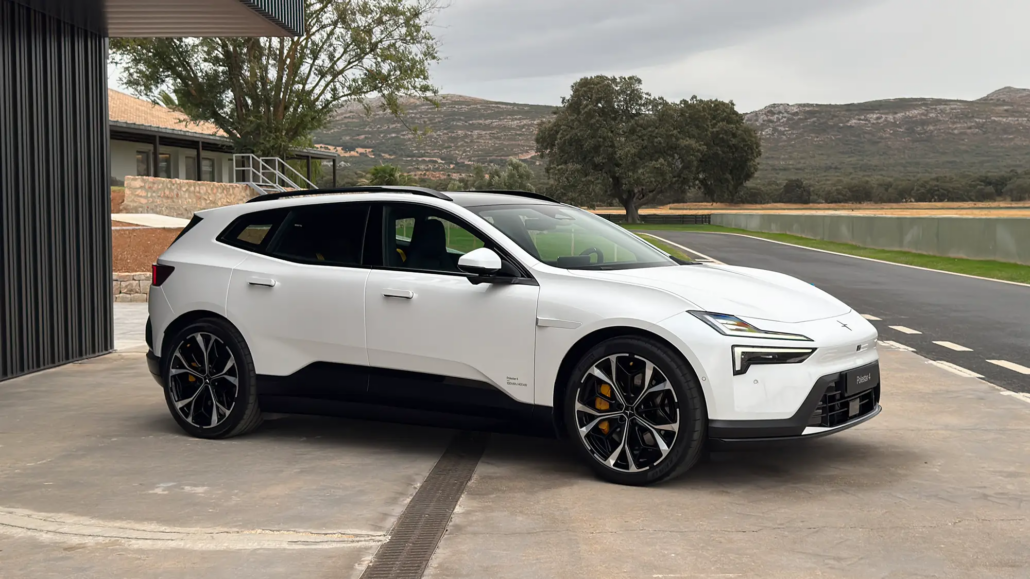
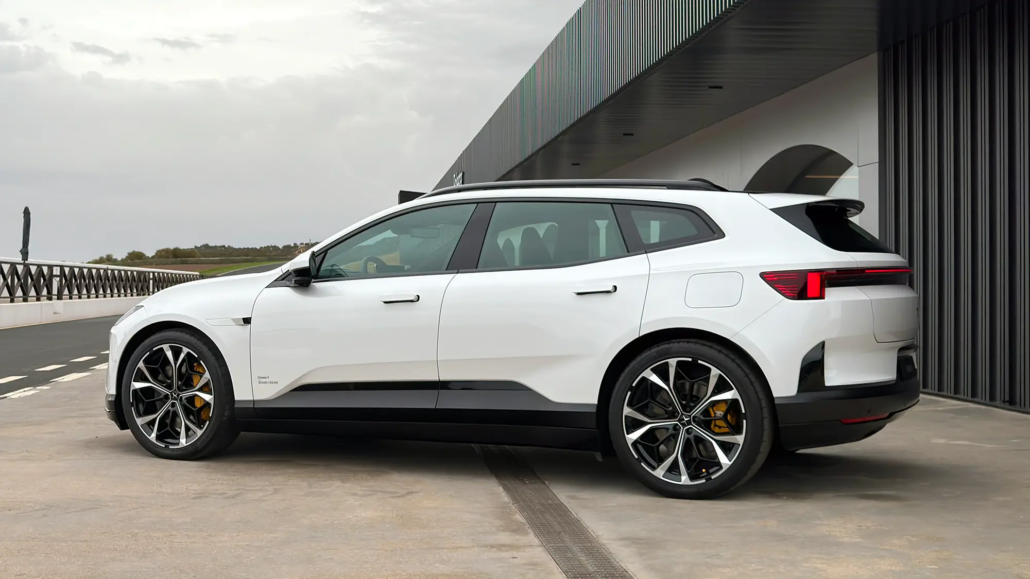
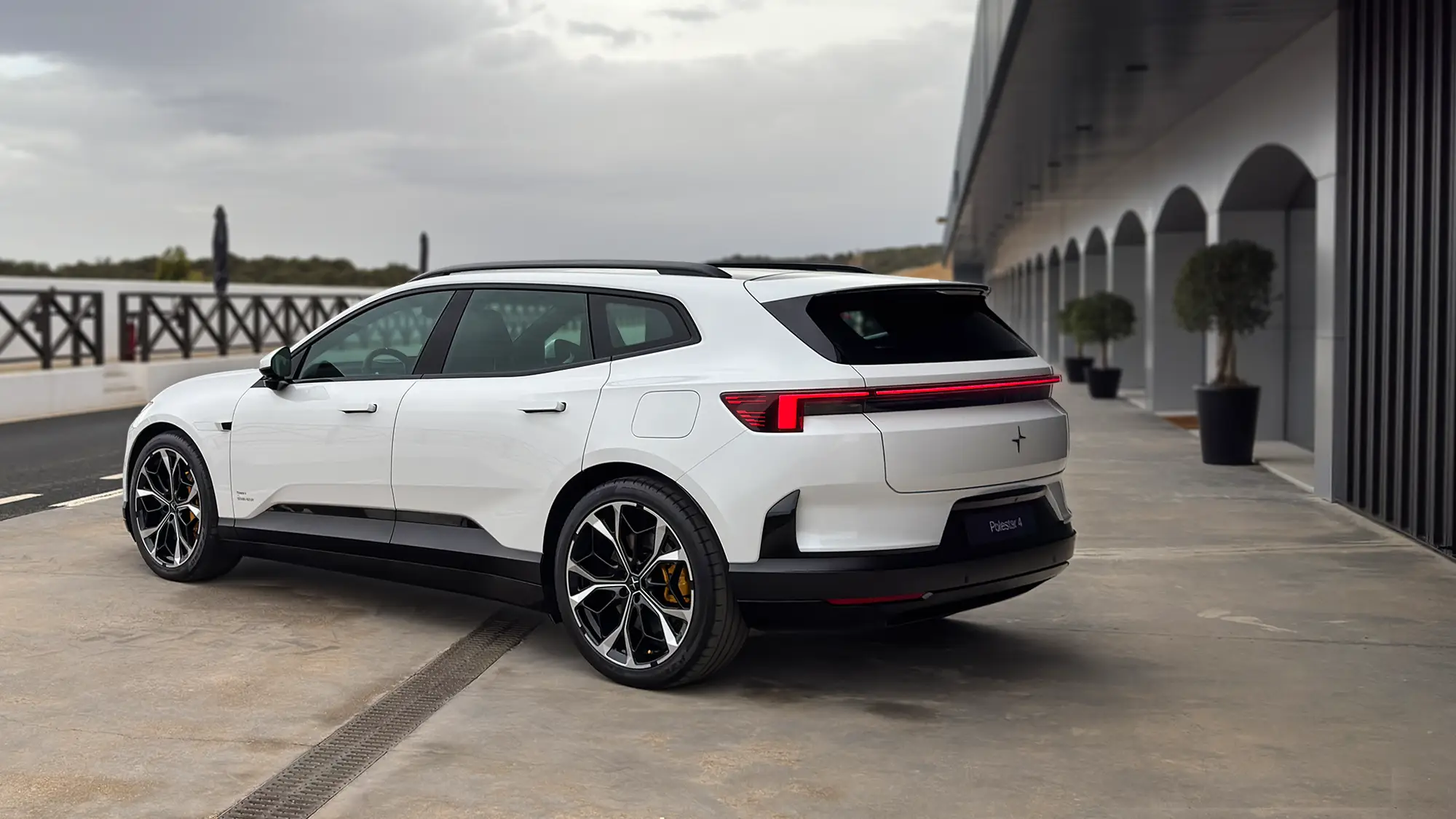
The funny thing about the Polestar 4 SUV is that it does not really look like an SUV to me. It keeps the same 4,840 mm length, 2,999 mm wheelbase and 166 mm ground clearance as the Polestar 4 Coupé, so visually it feels more like a low electric estate or shooting brake.
Most of the change happens at the back, with a straighter roofline, more upright tailgate and, finally, an actual rear window. A conventional rear-view mirror is standard again, while the digital mirror remains optional. Roof rails can carry 100 kg while driving and 300 kg when stationary, and new Aurora and Ozone colours join contrasting Polestar logos and wheels from 20 to 22 inches.
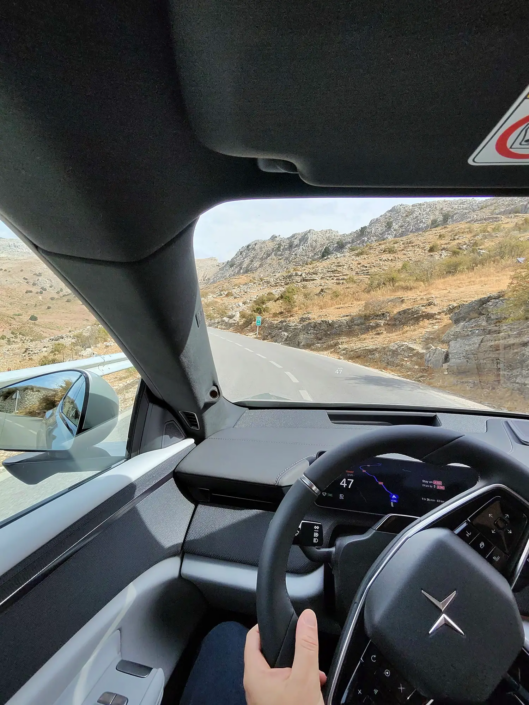
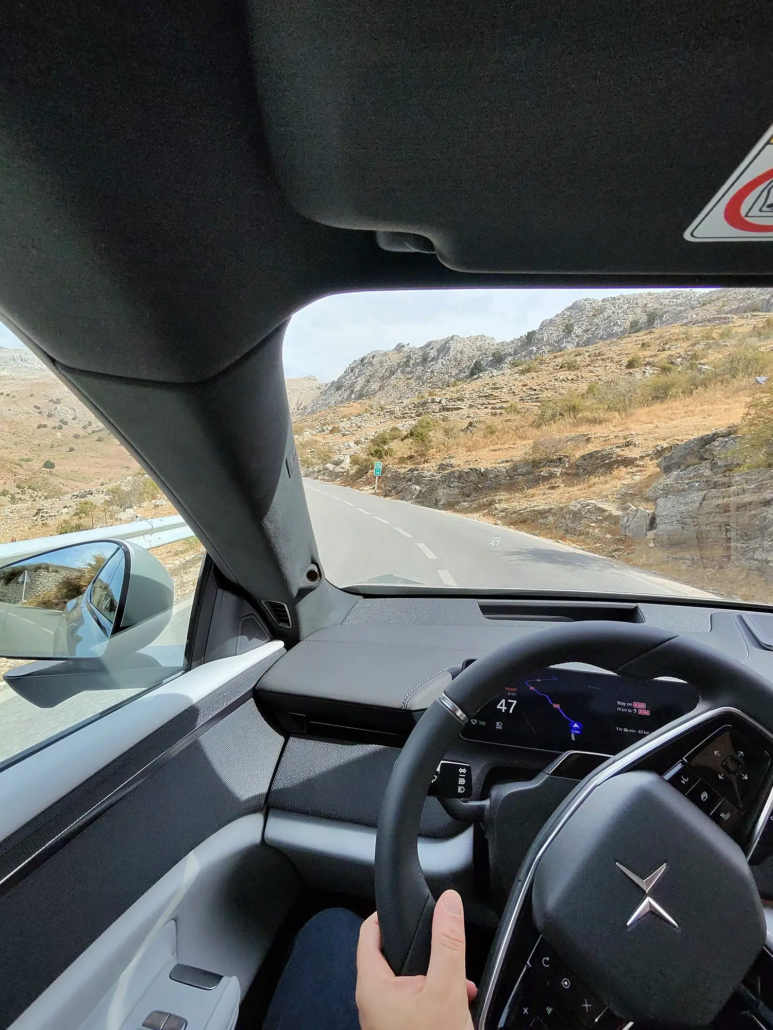
Inside, it is still unmistakably Polestar: minimalist, Scandinavian and very digital. The landscape centre screen now offers nine shortcuts instead of six, but my favourite update is simpler: the old haptic steering-wheel controls have made way for proper physical buttons. Much better.
Rear space is excellent, with an extra 25 mm of headroom and a huge panoramic roof extending almost to the tailgate. Tailored Knit uses 89 percent recycled PET, while optional traceable Nappa leather adds ventilation, massage and headrest speakers. Google Gemini also makes the voice assistant far more conversational. During my drive it told me about Ronda, found restaurants and delivered some truly terrible jokes. So yes, it works.
My main road car was the 272 hp Rear Motor, driven from Málaga to Ascari. A navigation detour even gave me an unexpected mild off-road test in the Andalusian hills. Despite the SUV name, there is no artificial high-riding sensation: it remains comfortable, controlled and easy to place, with that clean Polestar steering feel.
I also drove the Dual Motor AWD on the road and the Performance Pack version on track at Ascari. Polestar has retuned springs, dampers, anti-roll bars, steering and tyres, and the Performance car with active ZF dampers, Brembo brakes and 22-inch Pirellis was far more playful than a car this heavy has any right to be. Less impressive was the active steering assist, which occasionally started wandering towards another lane during my road drive.
The Rear Motor produces 272 hp and 343 Nm, reaches 100 km/h in 7.3 seconds and offers up to 630 km WLTP. The Dual Motor AWD jumps to 544 hp and 686 Nm, cuts the sprint to 3.9 seconds and still manages up to 600 km WLTP. Both are limited to 200 km/h.
Both use a 100 kWh battery and remain on a 400V architecture, with DC charging at up to 200 kW. In Belgium, AC charging is 11 kW as standard with a 22 kW upgrade available. That 200 kW peak is starting to look conservative next to newer 800V rivals, although range remains strong. My road drive averaged 20.6 kWh/100 km.
This is where the SUV name starts making more sense. There are 530 litres behind the rear seats, 655 litres when loaded to the roof and 1,665 litres with the 60/40 rear bench folded. There is also underfloor storage and a 15-litre frunk. More importantly, the shape is finally useful enough for large luggage, dogs or even sleeping inside the car.
Camping Mode keeps climate, media and other functions running while parked, while Vehicle-to-Load can supply up to 3.3 kW through an adapter. Polestar demonstrated it by powering its entire off-grid Ascari Base Camp from a fleet of Polestar 4s, including my tent, heated bed, coffee machines and cooking equipment. Towing capacity is 1,500 kg for the Rear Motor and 2,000 kg for the Dual Motor.
In Belgium, the Polestar 4 SUV starts at €58,600 including VAT for the Rear Motor and €63,600 for the Dual Motor. The Nappa interior costs €3,700, while the €5,000 Prime Pack adds equipment including Pilot Assist, Harman Kardon audio, head-up display, Pixel LED headlights, rear climate controls and electrically adjustable rear seats.
The Performance Pack costs another €5,000 and requires the Prime Pack. It adds active ZF dampers, Polestar Engineered chassis tuning, Swedish Gold Brembo brakes, 22-inch Performance wheels and enough gold detailing inside to make sure nobody misses the fact that you ticked the expensive box.
For current specifications, options and availability, visit the official Polestar 4 SUV page
The Polestar 4 SUV makes more sense to me than its name does. It is not really higher and does not suddenly pretend to be an off-roader, although it proved surprisingly capable despite the limited ground clearance.
To my eyes it remains closer to a low estate, but Polestar has made the 4 considerably more useful with a proper rear window, better boot, more headroom, roof rails, towing capacity and V2L.
Crucially, none of that ruins what made the original interesting. The interior is still beautifully clean, the Rear Motor is probably all most people need and the Dual Motor Performance version proved at Ascari that a heavy electric family car can still be properly entertaining.
The 400V platform and 200 kW charging are its biggest technical weaknesses, and I still think too many everyday functions live inside the touchscreen. But this is the Polestar 4 I would choose. Not because it is more SUV, but because it is simply more useful.
Base price (Belgium)
DRIVETRAIN
SEATS
TRANSMISSION
 © 2026 Jonas Van Gestel